


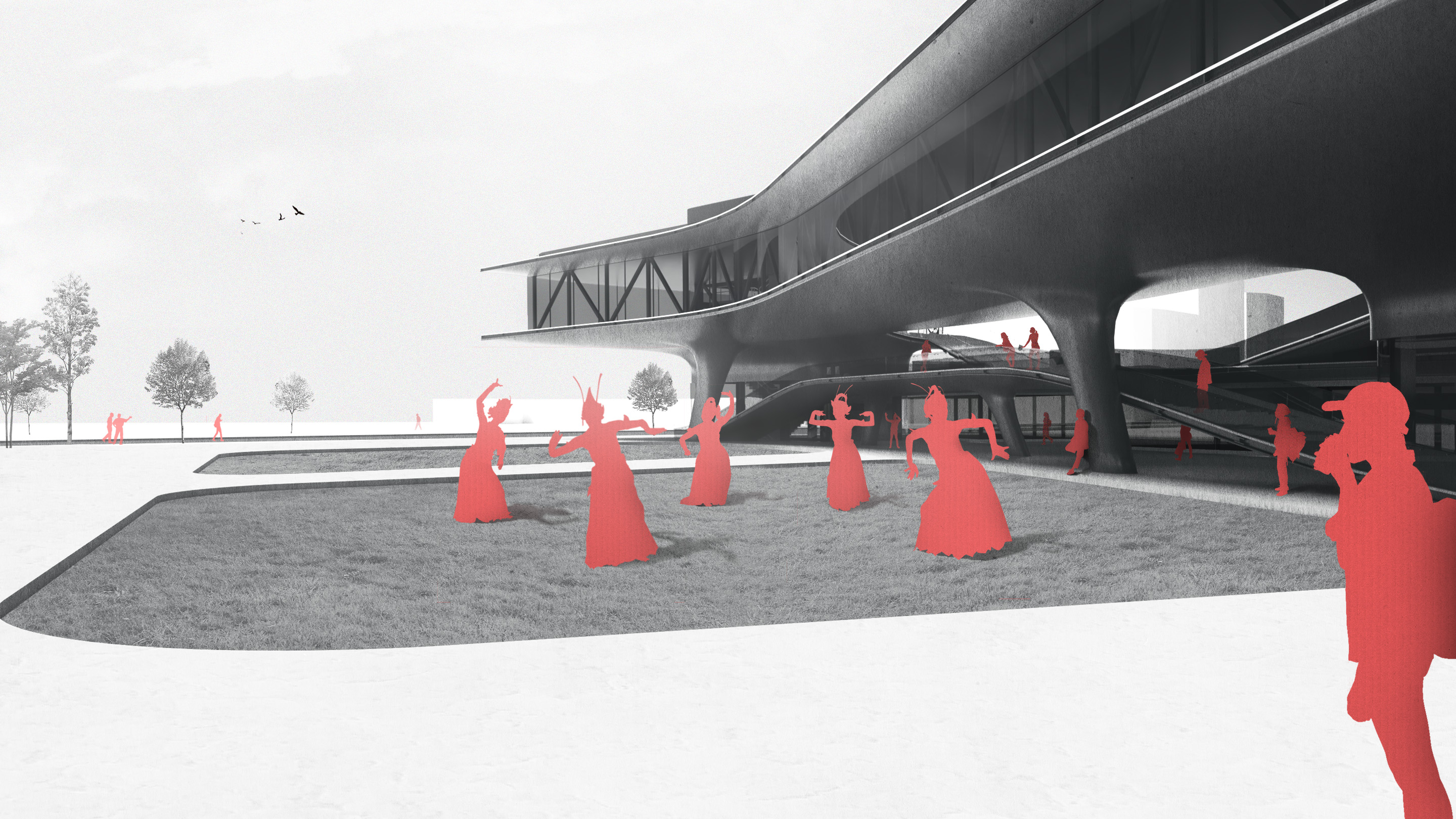
Tunjungan Square is a third-year project that explores the socio-cultural aspects of architecture. This design studio challenges students to deeply understand the site, its people, and the surrounding culture. Through this process, students are encouraged to develop context-driven architectural solutions that respond to the unique characteristics of the area.
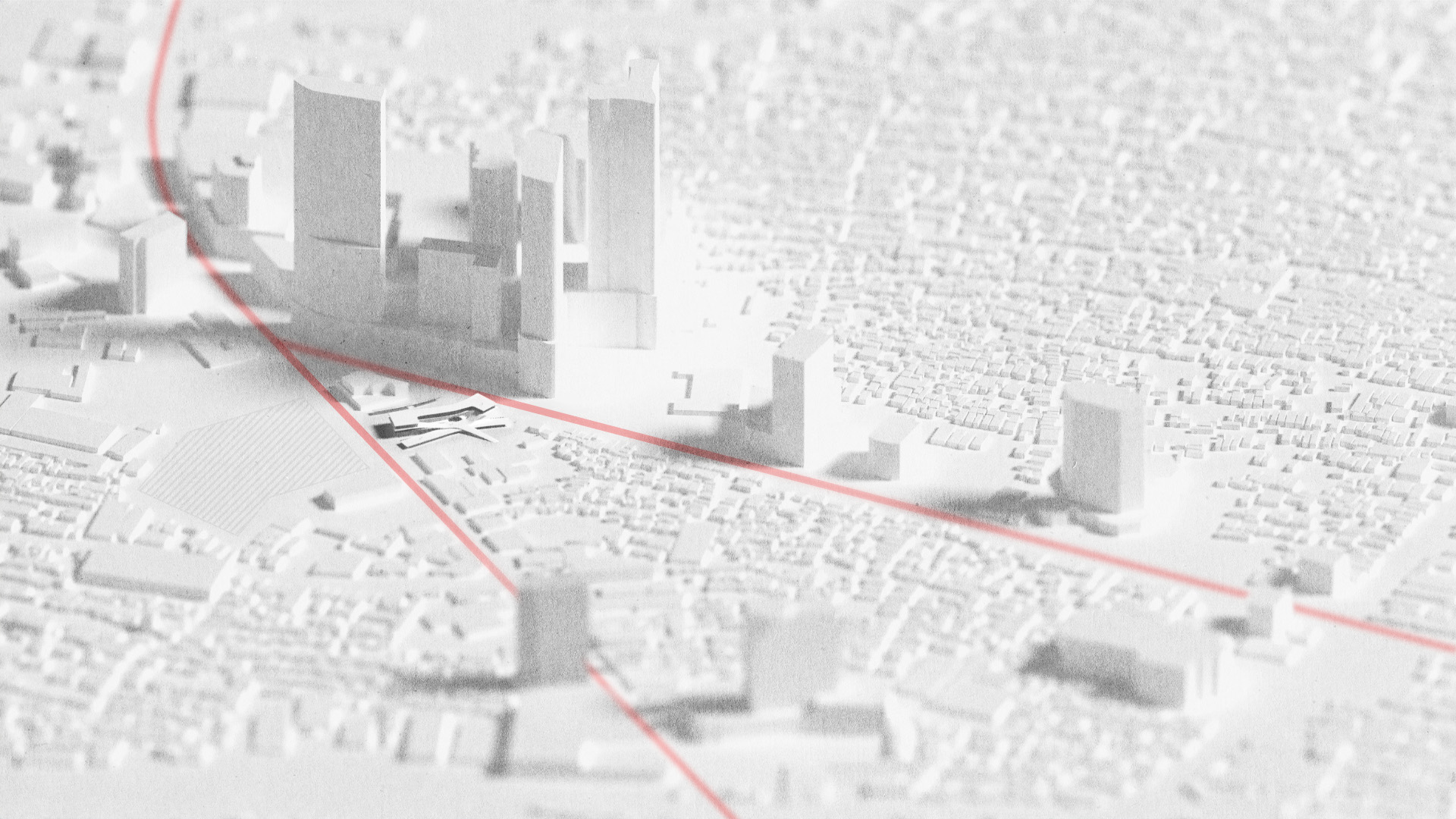
The chosen site for this project was Tunjungan, an area rich in history and cultural significance. Its physical landscape is unique, positioned at the heart of Surabaya’s busiest district, yet characterized by a contrasting mix of low-rise kampong settlements and towering high-rises. The goal was to design a space that benefits all members of the community, bridging the gap between these diverse urban fabrics.


Inspired by Surabaya’s history as a port city, I envisioned a space that fosters exchange—whether of money, goods, knowledge, experiences, or emotions. This design serves as a modern port for the Tunjungan area, creating a dynamic hub where diverse interactions take place, reflecting the city’s vibrant past while addressing contemporary urban needs.

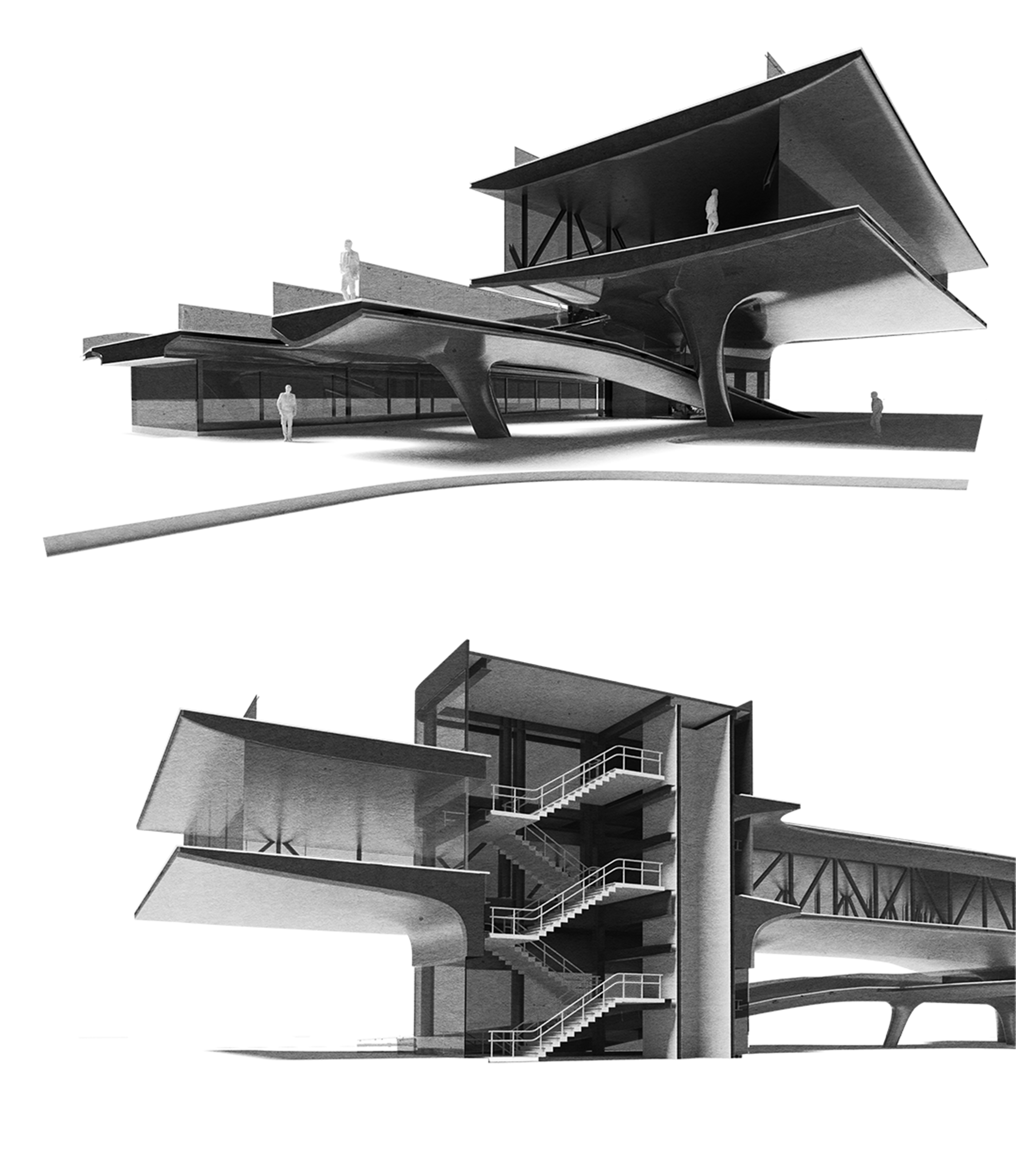
The design features an elevated mass that creates shaded spaces below, enhancing comfort for visitors. Ramps seamlessly guide people to the upper level, ensuring accessibility and fluid movement. At the ground level, the layout encourages free movement and interaction, fostering a lively atmosphere. This space is dedicated to commercial activities, including food stalls and street vendors operated by the local kampong community, supporting their livelihoods while enriching the urban experience.
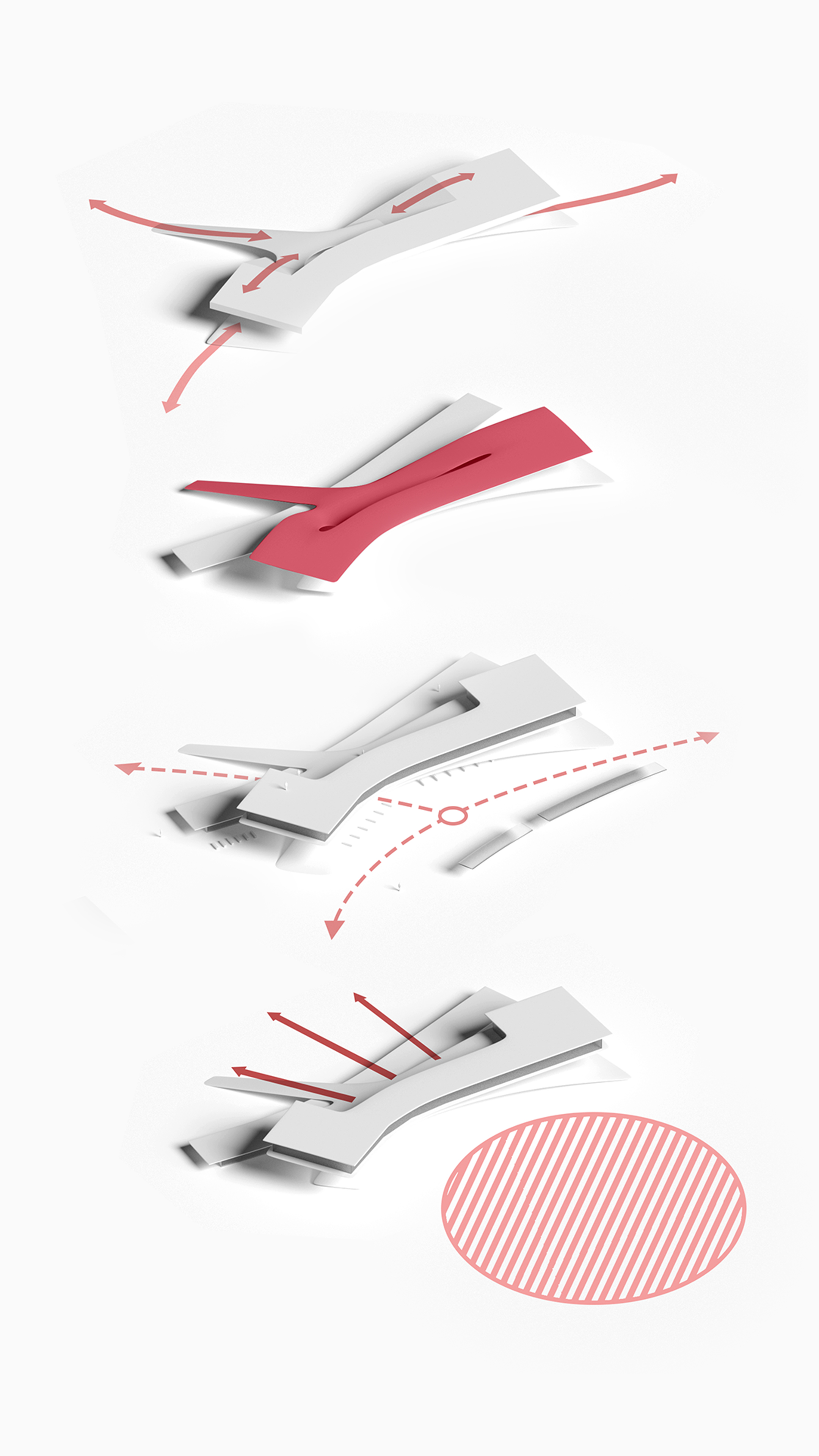
The building’s form is inspired by the diverse characteristics of its surroundings. To the right, it connects to the historic streets of Tunjungan; to the left, it faces the bustling business district of Embong Malang; and to the rear, it borders the vibrant Kampong Ketandan. The design seeks to bridge these contrasting elements, creating a space that facilitates interaction and harmonizes the area’s historical, commercial, and residential identities.
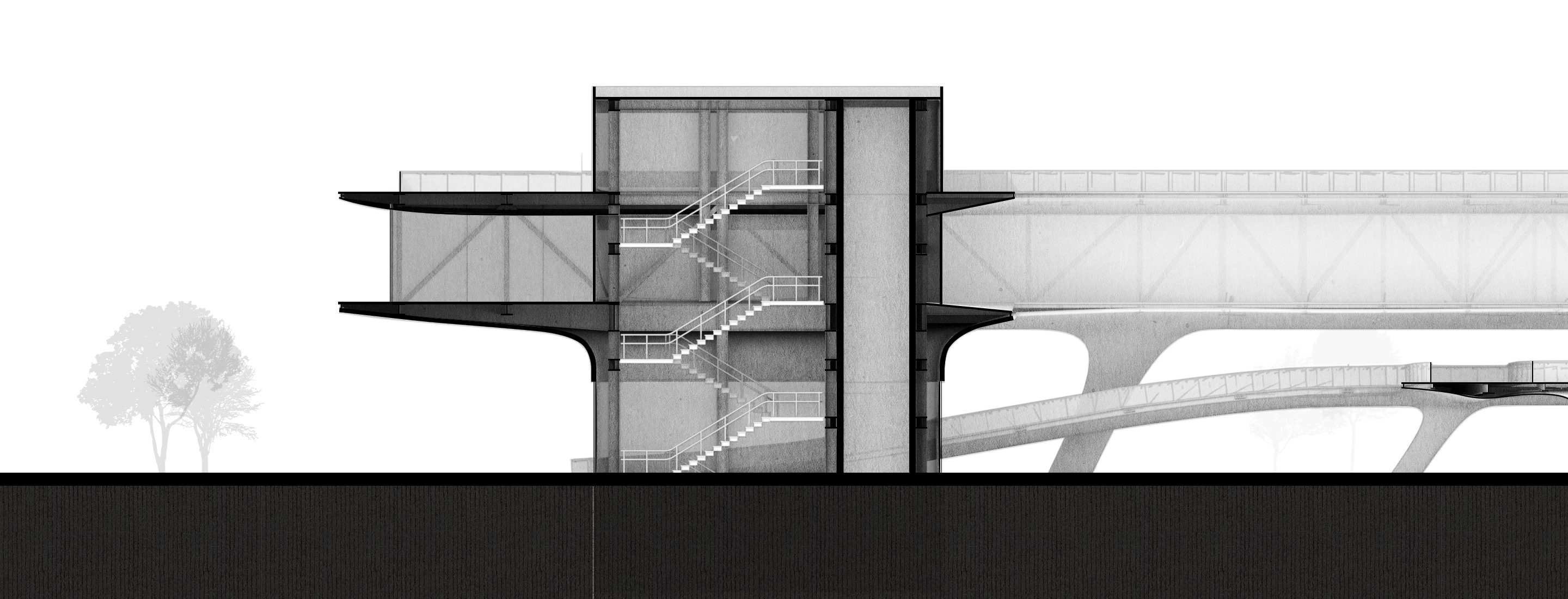

The building is designed to be flexible, accommodating various activities such as exhibitions, cultural performances, public demonstrations, and spaces for people to simply enjoy the city. It is intentionally designed to be open and accessible to everyone, fostering inclusivity and public engagement. This approach ensures that the space remains dynamic, adaptable, and responsive to the community’s needs.
Desc
Tunjungan Square is a third-year architectural project focusing on socio-cultural aspects in Surabaya’s diverse urban fabric. Students create context-driven designs that bridge historical and modern elements, fostering community interactions. The design features an elevated structure for accessibility and a vibrant ground level for local commercial activities, ensuring inclusivity and adaptability for various events.
People

 adyutafarrel
What do you think?